
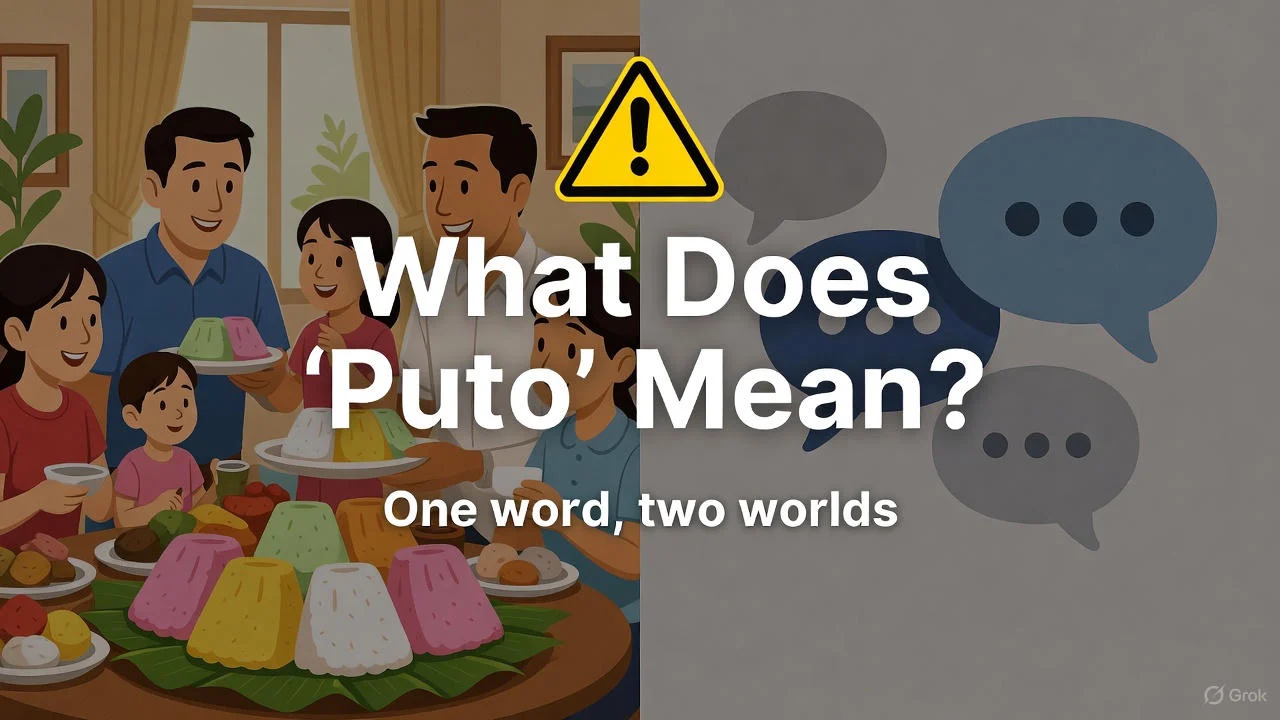

Ever heard someone say “puto” and felt confused — was it an insult or a food? 😅
The truth is, this one small word carries two completely opposite meanings depending on where you are in the world.
In Spain or Latin America, it can be a harsh insult, while in the Philippines, it’s a sweet, fluffy rice cake often served with butter or cheese.
Let’s explore how one word can swing between offensive slang and cultural sweetness, and why it’s important to know the difference before using it.
Definition & Meaning
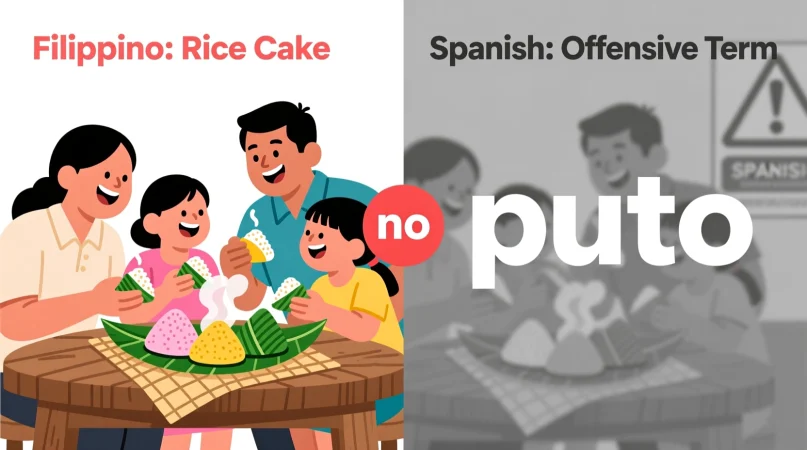
“Puto” is a word with dual cultural identities:
| Region | Meaning | Context |
|---|---|---|
| Spanish-speaking countries | A vulgar insult, roughly translating to “male sex-worker” or used as a slur | Offensive or aggressive |
| Philippines | A traditional steamed rice cake made from rice flour, sugar, and coconut milk | Harmless and cultural |
So, while it might make people laugh in Manila’s street markets, it could cause offense in Madrid or Mexico City.
🕰 Background & History
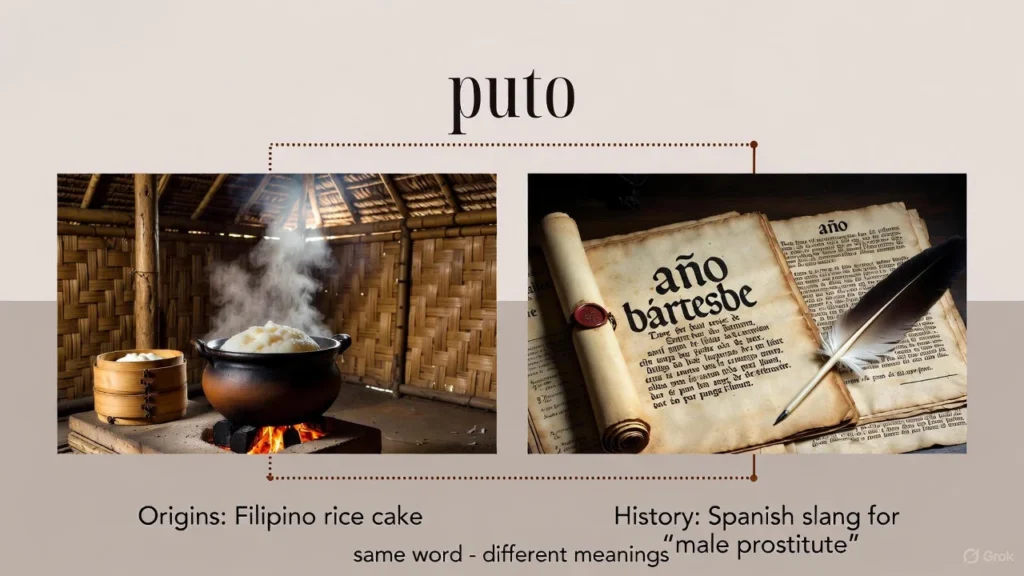
The Spanish version of “puto” dates back centuries and was originally a term of moral insult used in old Spanish literature.
Meanwhile, the Filipino version comes from native Austronesian roots, referring to steamed rice cakes — long before Spanish colonization.
The overlap happened linguistically, but the meanings evolved separately.
🌏 Usage in Different Contexts
- In the Philippines: “Let’s buy some puto for merienda (snack)!” 🍚
- In Mexico/Spain: Used insultingly, similar to how English speakers might use strong profanity.
This makes context critical — never assume it means the same thing everywhere.
⚠️ Common Misconceptions
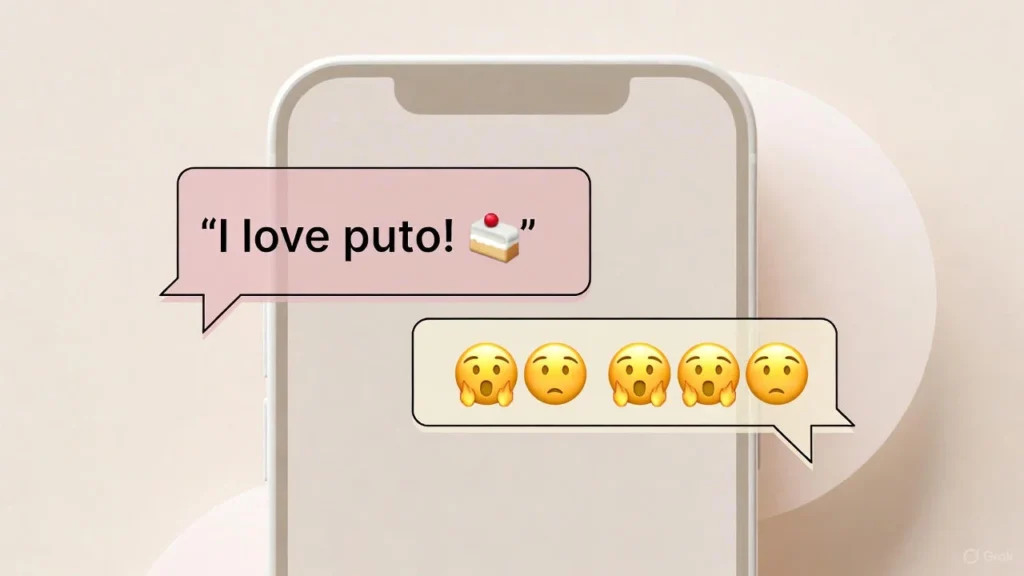
Many people assume “puto” always means the same thing — but it’s actually a false friend across languages.
Filipinos may post “I love puto!” online, unaware it sounds offensive to Spanish speakers.
This cultural gap often leads to awkward misunderstandings in global chats.
🌐 Regional & Cultural Differences
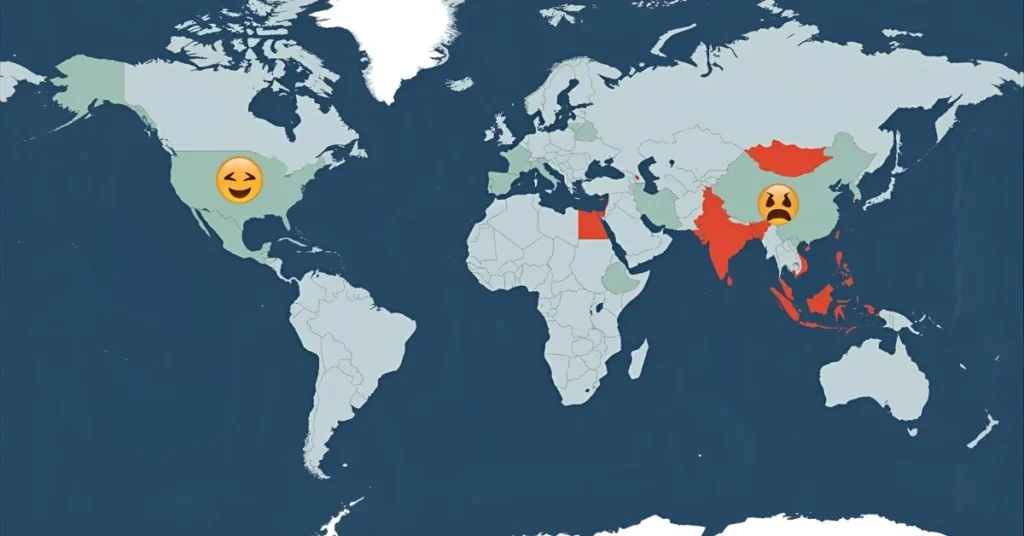
| Country | Acceptable? | Notes |
|---|---|---|
| Philippines | ✅ Yes | Refers to a sweet dessert |
| Spain | ❌ No | Highly offensive insult |
| Mexico | ❌ No | Considered vulgar or aggressive |
| United States | ⚠️ Mixed | Context-dependent; often recognized as a Spanish insult |
💬 How to Respond or Use It
If you hear someone say “puto,” take a second to understand the context:
- If it’s about food — smile and enjoy! 🍰
- If it’s said angrily — step away or ignore; it’s not a compliment.
When speaking Spanish, avoid using it altogether unless you truly know the cultural tone.
🕵️ Hidden or Alternative Meanings

In online communities or memes, “puto” sometimes gets blurred into humor, with people using it jokingly among friends — but non-native speakers should avoid repeating it, as it can be perceived as derogatory or homophobic in Spanish.
Always remember: funny online ≠ acceptable offline.
🗣 Suitability for Professional or Public Use
Completely unsuitable in professional or public communication unless you’re referring to Filipino cuisine.
Using it in any other way could damage credibility or offend audiences.
❓ FAQs
Q1. Is “puto” always a bad word?
No. In the Philippines, it’s a dessert; in Spanish contexts, it’s an insult.
Q2. Can I use “puto” jokingly online?
Only if you fully understand the context — otherwise, avoid it.
Q3. What is “puto bumbong”?
A purple Filipino rice cake steamed in bamboo tubes, popular at Christmas.
Q4. Is “puto” offensive in English?
Not inherently, but it borrows its offensive meaning from Spanish.
Q5. What’s the safest way to use the word?
Use it only when referring to Filipino food.
🧠 Conclusion
The word “puto” teaches us that language is deeply tied to culture.
What’s sweet and innocent in one country might be shocking and offensive in another.
If you’re traveling, chatting online, or learning new slang, always think before you speak — because sometimes, one word can say two very different things.