


Ever had a heated debate with a friend or disagreed with a coworker and wondered why things suddenly got tense? 😬 That’s conflict — a word we hear daily in conversations, workplaces, movies, and even online games.
In simple terms, conflict means a clash of ideas, emotions, or interests — something that happens when people don’t see eye to eye. Whether it’s a sibling argument, a sports rivalry, or a company meeting gone wrong, conflict shapes how we communicate and grow.
Understanding what “conflict” truly means helps you manage relationships better, avoid unnecessary tension, and turn disagreements into progress. In today’s connected world — from social media to professional settings — knowing how to identify and handle conflict is a must-have life skill.
Definition & Meaning
Conflict means a struggle or disagreement between people, ideas, or emotions. It’s what happens when two sides don’t share the same perspective or goals.
Example:
A: “I think we should save more.”
B: “But I’d rather spend and enjoy now.”
That’s a conflict of values — both are right in their own way, yet their priorities differ.
Conflicts aren’t always negative. In fact, healthy conflict can bring growth, creativity, and better understanding when handled with respect.
| Type | Description | Example |
|---|---|---|
| Internal Conflict | A struggle within a person’s mind | Feeling torn between right and wrong |
| External Conflict | A disagreement between people or groups | Argument between coworkers |
| Social Conflict | Conflicts driven by societal issues | Debates on equality or politics |
| Workplace Conflict | Professional disagreements | Clashing with a manager or teammate |
Background & History
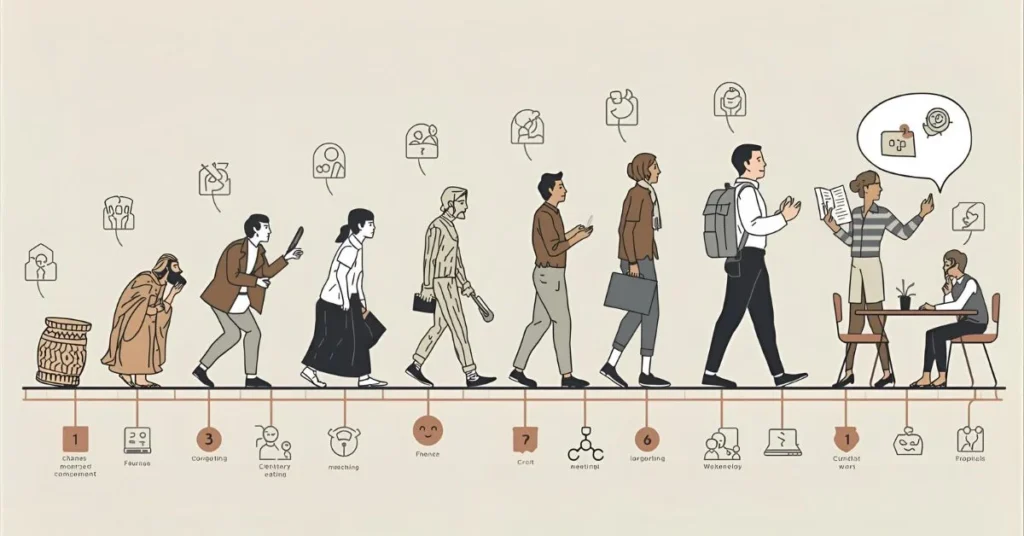
The term “conflict” comes from the Latin word conflictus, meaning “to strike together.” Historically, it referred to battles and wars, but over time, it evolved to describe emotional, social, and interpersonal struggles.
Psychologists like Sigmund Freud used the term to describe the inner battles between desires and morals — what we now call internal conflict.
Today, “conflict” is studied in psychology, sociology, and communication, because understanding it helps prevent violence, stress, and misunderstandings. From classrooms to boardrooms, knowing how conflict starts — and how to handle it — is key to emotional intelligence and leadership.
Usage in Various Contexts

Conflict can show up anywhere:
- At home: “Mom and I had a conflict about curfew.”
- At work: “There’s a conflict between two departments.”
- In stories: “Every movie has conflict — it keeps the plot interesting.”
- Online: “That Twitter argument was pure conflict!”
Example:
A: “Why is he avoiding you?”
B: “We had a small conflict over the project deadline.”
The word “conflict” sounds formal but is common in daily conversations, academic writing, and even on social media debates.
Common Misconceptions & Clarifications
Myth: Conflict always means fighting.
Fact: Conflict isn’t always negative — it can be a simple difference in opinion.
Myth: Avoiding conflict makes peace.
Fact: Ignoring issues often builds resentment. Healthy discussion resolves tension better.
Myth: Conflict shows weakness.
Fact: Managing conflict shows emotional maturity and leadership.
Similar Terms & Alternatives
| Term | Meaning | Difference from Conflict |
|---|---|---|
| Disagreement | Mild difference in opinion | Conflict is broader and more intense |
| Argument | Verbal exchange of opposing views | Conflict can exist without words |
| Dispute | Formal disagreement, often legal | Conflict includes emotional or personal struggles |
| Tension | Emotional unease or strain | Often a result of conflict |
How to Respond to Conflict

- Casual: “Let’s talk it out.”
- Professional: “I understand your point; can we find a solution?”
- Funny: “We’re not fighting — we’re just passionately disagreeing! 😅”
- Private: “I’d rather not discuss this right now.”
Always focus on resolution, not reaction. It shows maturity and respect.
Regional or Cultural Differences

In Western cultures, people often discuss conflicts directly and openly.
In Asian or Middle Eastern cultures, people tend to approach disagreement more subtly to maintain harmony.
Some regions use different words for the same idea — like “clash,” “friction,” or “difference” — depending on tone and culture.
Comparison with Similar Terms
| Expression | Formality Level | Tone | Commonly Used In |
|---|---|---|---|
| Conflict | Neutral/Formal | Can be emotional | Work, education, relationships |
| Argument | Informal | Emotional | Casual talk |
| Dispute | Formal | Neutral | Legal/business settings |
| Tension | Neutral | Subtle | Media, personal relationships |
Usage in Online Communities & Media
On Twitter, Reddit, and TikTok, “conflict” often trends during celebrity feuds or debates.
Example:
“There’s conflict between two gaming teams — the comments are wild!”
In dating apps, people may use it lightly:
“We had a small conflict over weekend plans — nothing serious!”
It’s a neutral term that depends on tone and context.
Hidden or Offensive Meanings

The word “conflict” itself isn’t offensive. However, it can sound formal or tense in emotional conversations. Instead of saying “We’re in conflict,” you might say “We had a misunderstanding” to soften the tone.
Suitability for Professional Communication

Conflict is perfectly appropriate in formal writing or discussions.
Use it in HR reports, essays, or leadership talks.
In casual chats, softer alternatives like “issue,” “difference,” or “misunderstanding” work better.
FAQs
1. What does conflict mean in simple terms?
It means a disagreement or clash between people or ideas.
2. What are the main types of conflict?
Internal and external — within oneself or between people.
3. Is conflict always bad?
No. It can lead to growth and understanding if handled calmly.
4. How can conflict be managed?
Through communication, empathy, and compromise.
5. What’s the difference between argument and conflict?
An argument is one type of conflict — usually verbal.
6. Can conflict exist without anger?
Yes, it can simply mean a difference in perspective.
Conclusion
Conflict isn’t always a sign of trouble — it’s a natural part of human interaction.
From small disagreements to major debates, it helps people understand different viewpoints, build empathy, and grow emotionally.
If it happens in your workplace, friendships, or online, knowing what conflict means and how to manage it gives you control over your reactions and relationships.
Next time you face conflict, don’t fear it — face it wisely. 💬 Communication and understanding can turn even the toughest clash into an opportunity for connection.